Table of contents
Journey into the fascinating world where traditional Japanese garments meet the pulse of modern fashion. Discover how these time-honored silhouettes are being reimagined and woven into contemporary style narratives across the globe. The coming paragraphs invite readers to explore the enduring influence, clever adaptations, and cultural significance of Japanese clothing in today’s dynamic fashion landscape.
Kimono influences in contemporary design
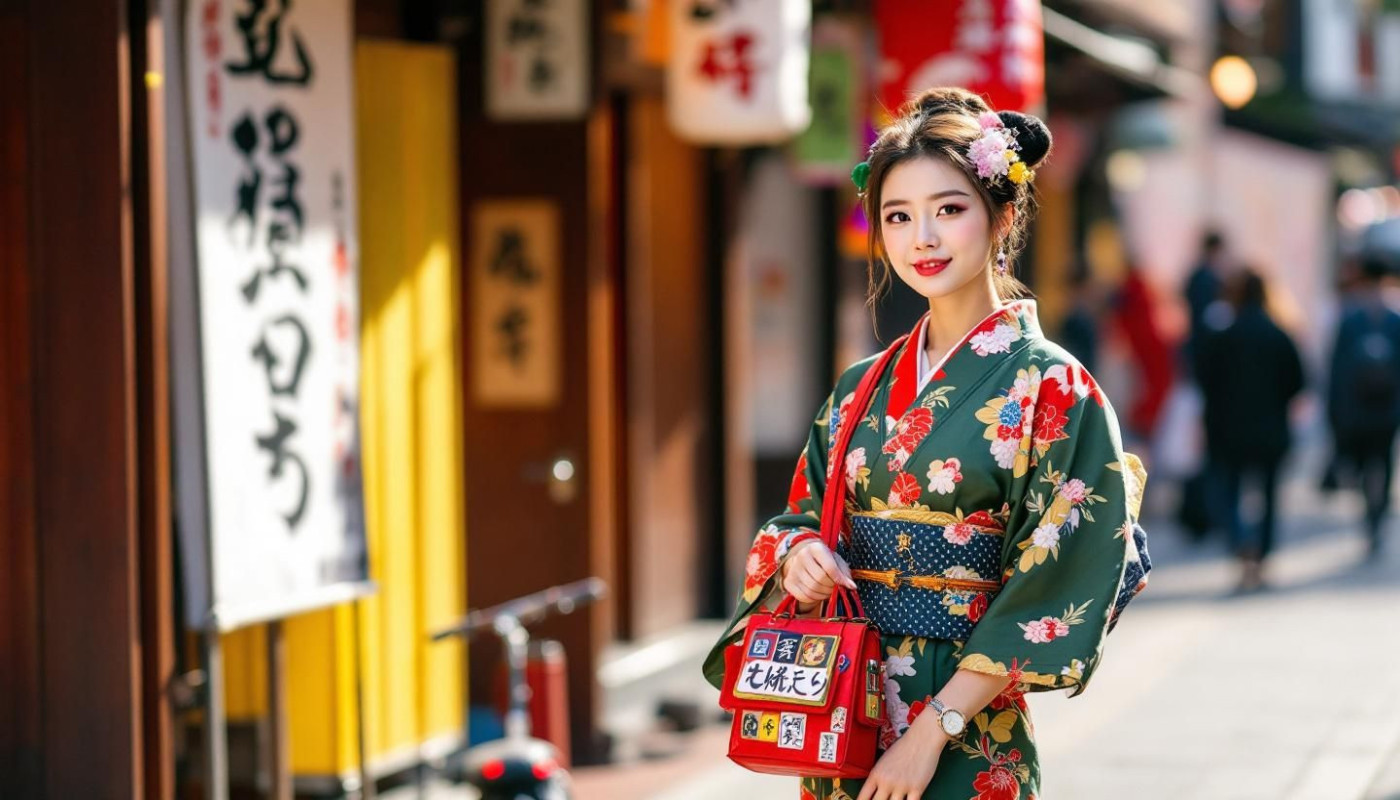
The kimono, long revered as a symbol of Japanese fashion heritage, is experiencing a dynamic resurgence within contemporary design. Designers worldwide are drawing garment inspiration from this iconic robe, adapting its signature T-shaped silhouette, wide sleeves, and layering techniques to suit modern aesthetics. Fabric innovation plays a pivotal role, as traditional silks are now joined by lightweight blends, technical textiles, and eco-friendly materials that enhance comfort and versatility for everyday wear. A fresh perspective on motifs, such as cranes, florals, and subtle geometric patterns, ensures that the kimono remains both rooted in history and relevant to current style narratives.
One of the most striking evolutions involves the reinterpretation of the obi, once a formal and structured sash. In modern fashion, the obi appears as a statement belt, integrated into dresses, coats, or even as detachable accessories, adding a distinct Japanese flair. Contemporary designers experiment with layering, draping, and unexpected closures, demonstrating how ancient traditions can harmoniously influence cutting-edge looks. This seamless blend of old and new enriches the global appreciation for Japanese fashion, making the kimono a continuous source of garment inspiration reflected on runways and in street style.
The significance of textile selection cannot be overstated, as texture and drape directly impact the final impression of the piece. Advances in digital printing enable precise motif placement, allowing for experimentation with both classic and avant-garde designs. The interplay of bold patterns and understated elegance invites a wider audience to embrace the kimono’s adaptability, moving beyond ceremonial use to informal and work settings. Such versatility in fabric innovation also drives the international interest in and adoption of Japanese fashion sensibilities.
For those seeking authentic contemporary interpretations, Japanese brands and boutiques offer a diverse range of garments that embody these evolving trends. To explore modern kimono styles and discover how today's designers are reimagining tradition, click now. This resource highlights the ongoing journey of the kimono in shaping the future of contemporary design while honoring its rich cultural legacy.
Streetwear and traditional fusion
The hybridization of traditional Japanese garments and streetwear is transforming the landscape of urban fashion worldwide. Modern designers draw inspiration from classic pieces like hakama pants and noragi jackets, skillfully reinterpreting their silhouettes, fabrics, and details to suit contemporary tastes. These adaptations often feature innovative cuts, technical textiles, and bold patterns, seamlessly blending heritage craftsmanship with modern aesthetics. Japanese street culture, renowned for its creativity and boundary-pushing style, has become a driving force behind this trend, influencing international designers and fashion enthusiasts alike. As seen in metropolitan hubs from Tokyo to New York, the fusion of streetwear and Japanese garments is not only redefining urban fashion but also paying homage to centuries-old traditions in a fresh and relevant context.
Minimalism inspired by Japanese aesthetics
Japanese minimalism, deeply rooted in traditional aesthetics, has profoundly shaped modern fashion through its principles of aesthetic reduction. Traditional Japanese garments such as the kimono and hakama emphasize simple silhouettes and a restrained color palette, which are now echoed in contemporary minimalist collections. Layering is a crucial technique, inherited from the way traditional attire is assembled, allowing for versatility and depth without excessive ornamentation. The concept of “ma,” or negative space, remains central, guiding designers to value what is deliberately left unadorned as much as what is present. This understated elegance ensures that modern fashion pieces resonate with a quiet sophistication, making the interplay of silhouette, color, and layering essential to the evolving narrative of Japanese minimalism. All these elements highlight how traditional aesthetics are not just preserved but are actively reinterpreted, giving modern fashion its distinctive, refined character.
Sustainability in Japanese garment traditions
Traditional Japanese garment-making techniques like sashiko and boro have become pillars of sustainability in the world of eco-friendly fashion. Sashiko, a decorative reinforcement stitching method, was initially developed to extend the life of Japanese garments by repairing and strengthening worn fabrics. Boro, which translates to tattered or patched, involves patchwork mending that upcycles scraps of cloth into new, usable textiles. These practices embody a mindful approach to material usage and waste reduction, setting a foundation for sustainable fashion principles. Today, leading designers integrate sashiko and boro into contemporary collections, repurposing vintage materials and deadstock fabrics while emphasizing the aesthetics of visible mending. This modern adaptation not only honors cultural heritage but also advances the conversation around upcycling and sustainability, demonstrating how time-honored Japanese garments influence the direction of eco-friendly fashion globally. For the most authoritative insights, an expert in textile sustainability should elaborate on the technicalities and environmental impact of incorporating sashiko and boro into modern designs.
Symbolism and cultural storytelling
Japanese symbolism holds a profound place within traditional clothing, where each garment serves as a canvas for cultural storytelling through distinctive iconography. Motifs like cranes, representing longevity and good fortune, or waves, symbolizing resilience and the flow of life, are not merely decorative elements but deliberate choices steeped in centuries-old beliefs. Cherry blossoms, for instance, capture the beauty and transience of existence, a theme deeply woven into the nation’s collective consciousness. In modern reinterpretation, designers ingeniously adapt these enduring fashion motifs, translating historical themes into contemporary aesthetics. Through innovative cuts, fabric technology, and urban-ready silhouettes, the essence of this iconography persists, allowing wearers to express identity and values rooted in tradition while engaging with current trends. The enduring power of cultural storytelling in Japanese fashion ensures that every wave, crane, or bloom carries layers of meaning, connecting past and present in the evolving language of style.
Similar

Exploring The Benefits Of Wearing Shapewear For Confidence And Comfort

Explore The Versatility Of Sage Green Dresses For Every Occasion

The Ultimate Guide To Styling Loafers For Every Occasion

The Evolution Of Jamaican Fashion: A Journey Through Time

Sustainable Fashion: The New Chic
